

Estaciones solares para empresas en 2023
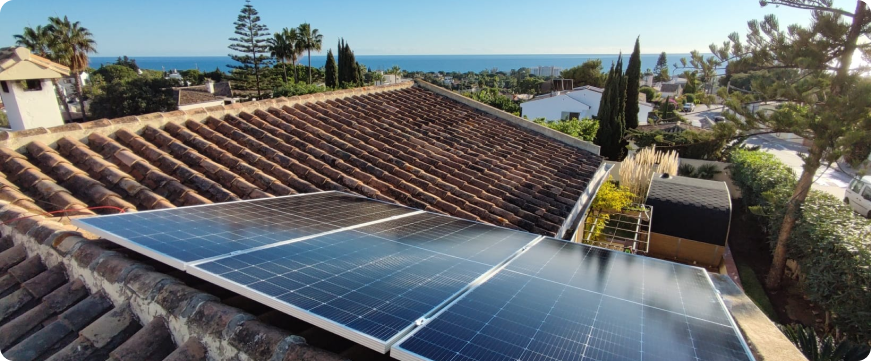
The physical properties of the materials with which the device is built, whose objective is to capture the widest possible range of the Sun’s radiation spectrum
The fundamental principles of semiconductors
For the reasons mentioned above, the efficiency of solar panels last year was:
Up to 5%, if the buyer preferred cheap films on amorphous silicon
From 10% to 18%, if the buyer preferred modern hybrid film solutions that use a combination of 2 or more rare earth elements
From 16% to 19%, if the buyer prefers mono- and polycrystalline silicon modules. This type of panel is characterized by energy losses associated with the reflection of light from the device itself or its heating. In addition, monocrystalline plants are more efficient but more expensive.
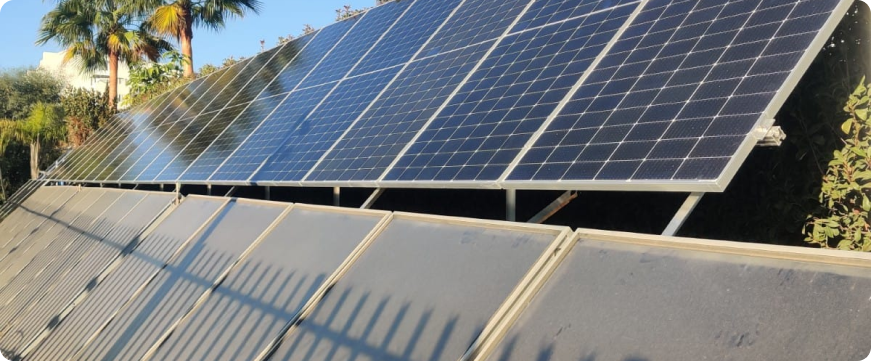
Professionals believe that the efficiency of these devices is best defined as the percentage of energy provided by the solar system relative to the energy of sunlight that is “absorbed” by the working area of their panels. It must be recognized that this figure, which is usually measured as a percentage, has only quadrupled in the last 50-60 years. Although it is admitted that its potential is close to 90%. Why not 100%? The fact is that several factors directly affect the effectiveness of solar panels.
The nature of atmospheric phenomena
(simply, time)
It is important to understand that this issue must be divided into two blocks: the quality of the modules themselves and the climatic parameters in which the plant is used. In simple terms, the efficiency of solar panels is directly proportional to the efficiency of semiconductors, whose functions are based on the physical principles of p-n junctions. The efficiency of solar panels made from silicon is quite low. The reason is known: this material only captures the infrared segment of light. The energy of ultraviolet radiation is inaccessible to him. However, it is impossible to refuse silicon due to its affordable price. Other factors that affect the effectiveness of the device do not depend on the characteristics of the materials and are related to atmospheric conditions and maintenance of the device.
Cleaning the panel surface. The energy provided to your home by the solar system depends on the cleanliness of the panels’ working surfaces. For this reason, they are usually installed so that rain, snow and dirt are naturally removed from the structure.
Shade. If you opt for a solution that includes several panels, the shadow of any of them should not fall on the neighboring battery. Otherwise, the efficiency will decrease rapidly. The same applies to shading the nearest infrastructure: poles, towers, trees, neighboring buildings, etc. In this case, installing solar panels is strongly discouraged.
Loading...